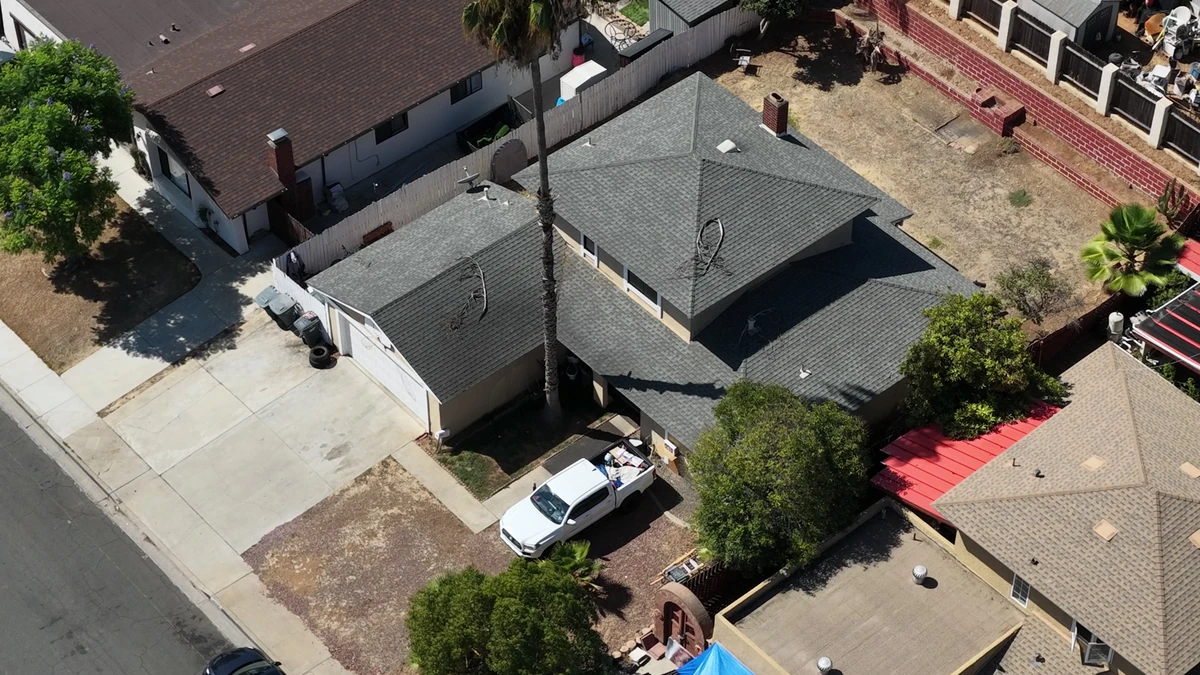
When a San Diego listing says “cash only,” the seller is addressing how the purchase will be funded: the closing cannot depend on proceeds from a new mortgage. It does not mean paying with physical currency, and it does not automatically mean “no inspections,” “no contingencies,” or even “the house cannot be financed.” Those are separate questions.
That distinction matters. Cash removes lender approval and funding from the seller’s closing risk. It does not remove the buyer’s property risk. A serious buyer still needs to understand the condition, title, insurance, permit history, renovation budget, and total cost before committing.
What Cash Only Actually Changes
A mortgage purchase ordinarily depends on borrower underwriting, a lender appraisal, final loan approval, loan documents, and funding. A cash purchase can remove those lender-controlled steps and give the seller greater certainty about whether the buyer can close.
The representation must be truthful. The California Department of Real Estate has warned agents not to submit an all-cash offer when they know the buyer needs a loan to fund the purchase, and it advises validating the buyer’s funds before the offer is submitted. See the California Department of Real Estate bulletin on all-cash offers.
Cash can simplify the funding side of the transaction, but escrow, title work, disclosures, inspections, document signing, transfer of funds, and recording still take time. “Cash” does not mean “instant.”
Cash Only, As-Is, and No Contingencies Are Different Terms
These phrases are often grouped together, but they do different jobs.
- Cash only addresses funding.
- As-is generally means the seller is not promising to make repairs, although disclosure obligations and the buyer’s investigation rights depend on the transaction and accepted contract.
- No contingencies means the buyer is not making the purchase dependent on specified events such as inspection, appraisal, loan approval, or another sale.
A cash buyer can still request an inspection contingency, title review, disclosure review, or another protection. The seller can accept, reject, or counter those terms. The accepted contract—not the marketing label—controls.
The California Department of Real Estate’s Information for Homebuyers tells buyers to put any desired contingencies or special conditions into the offer and warns that an accepted offer becomes a binding contract.
Why a Seller May Prefer Cash
A seller may want to reduce financing uncertainty or meet a particular closing schedule. Property condition may also matter if an appraisal or loan program could require repairs or create delay.
But a cash-only label is not a professional diagnosis that the home is unfinanceable. Fannie Mae allows some properties with minor conditions to be appraised as-is when those conditions do not affect safety, soundness, or structural integrity. See Fannie Mae’s property-condition guidance. FHA-insured financing uses HUD’s separate safe, sound, and secure property framework. See HUD’s Single Family Housing Policy Handbook 4000.1. Actual eligibility depends on the property, borrower, loan program, appraisal, and lender.
The correct response is to investigate—not guess why the seller chose the term.
What Proof of Funds Needs to Establish
A seller may ask for current, verifiable evidence that the buyer can deliver the purchase price and closing funds on time. The money should be accessible for escrow rather than dependent on an uncompleted sale, an unapproved credit line, or another event that may not occur before closing.
A preapproval is not proof of cash. Hard money and private money are still loans. If the purchase depends on either, the funding should be described accurately and negotiated with the seller rather than presented as cash.
Sensitive account information should be transmitted securely, with unnecessary account numbers or personal details redacted where appropriate.
Due Diligence Still Matters
Without a lender process acting as a secondary screen, the buyer needs a deliberate investigation. Depending on the property, that can include:
- general and specialist inspections for structure, roof, drainage, electrical, plumbing, HVAC, sewer or septic, pest, and environmental concerns;
- seller disclosures and the agents’ visual-inspection disclosures;
- preliminary title, recorded documents, liens, easements, and restrictions;
- permit history and the status of previous improvements;
- insurance availability, cost, exclusions, and deductibles;
- contractor estimates, permit costs, renovation time, and a separate allowance for conditions discovered after closing;
- comparable sales adjusted for condition rather than comparisons only with renovated homes; and
- zoning, setbacks, access, utilities, and permitting before assigning value to an addition or ADU idea.
A cash-only property does not become a good purchase merely because it may attract fewer financed buyers. Value still depends on the price, condition, repair scope, future use, carrying costs, and exit plan.
Blum Realty Group’s San Diego homeownership-cost framework can help organize the full budget. If a purchase thesis depends on expansion or an ADU, use the San Diego property and ADU due-diligence checklist before assigning value to a concept that has not been approved.
1057 Camellia Street: A Current Example
1057 Camellia Street in East Escondido is a useful example because the listing separates the property facts from the transaction terms.
At publication, it is offered at $714,900 as-is with deferred maintenance and cash-only terms. The detached home has four bedrooms, two bathrooms, approximately 1,740 square feet, an attached two-car garage, and an approximately 7,000-square-foot lot. MLS #260020702.
Those facts identify an opportunity and the seller’s requested structure. They do not establish why cash was required, guarantee future financing, or confirm that an expansion or ADU is feasible. A buyer still needs property-specific inspections, estimates, title and permit review, insurance research, and independent verification of any proposed future use.
For the complete listing, current availability, and showing information, visit the 1057 Camellia Street property page. Buyers can also review Blum Realty Group’s Escondido guide and buyer-representation process.
Common Questions
Can a cash buyer still inspect the home?
Yes, if the accepted contract preserves that right or contingency, or the seller otherwise permits it. The seller can reject or counter the requested terms, so the offer must say what the buyer intends.
Does a cash buyer need an appraisal?
There is normally no lender-required appraisal when no lender is involved. A buyer can still order an independent appraisal or use a well-supported comparable-sales analysis if the contract and schedule allow it.
Does hard money count as cash?
Hard money is financing. If the buyer cannot close without that loan, the offer should not be presented as all cash. The funding structure must be stated and negotiated accurately.
Can the buyer refinance after closing?
Possibly, but it is not guaranteed. Later financing depends on the borrower, property condition and value, loan program, market conditions, and lender underwriting. Review Blum Realty Group’s home-loan resources before treating a future refinance as part of the purchase plan.
The Bottom Line
Cash removes the lender as a condition of closing; it does not remove the need to understand what is being purchased.
The strongest cash buyer is not simply the buyer with available funds. It is the buyer who can prove those funds, preserve the right protections, build a realistic repair and carrying-cost budget, and close with a clear understanding of the property.
For current information about 1057 Camellia Street or a property-specific discussion of a cash-only San Diego purchase, contact Frederick Blum directly.
Price, availability, property details, measurements, condition, and terms are subject to change and buyer verification. This article provides general real estate and mortgage information, not legal, tax, engineering, contracting, insurance, appraisal, or individualized financial advice. Loan and property-eligibility requirements vary by program, lender, borrower, and property.