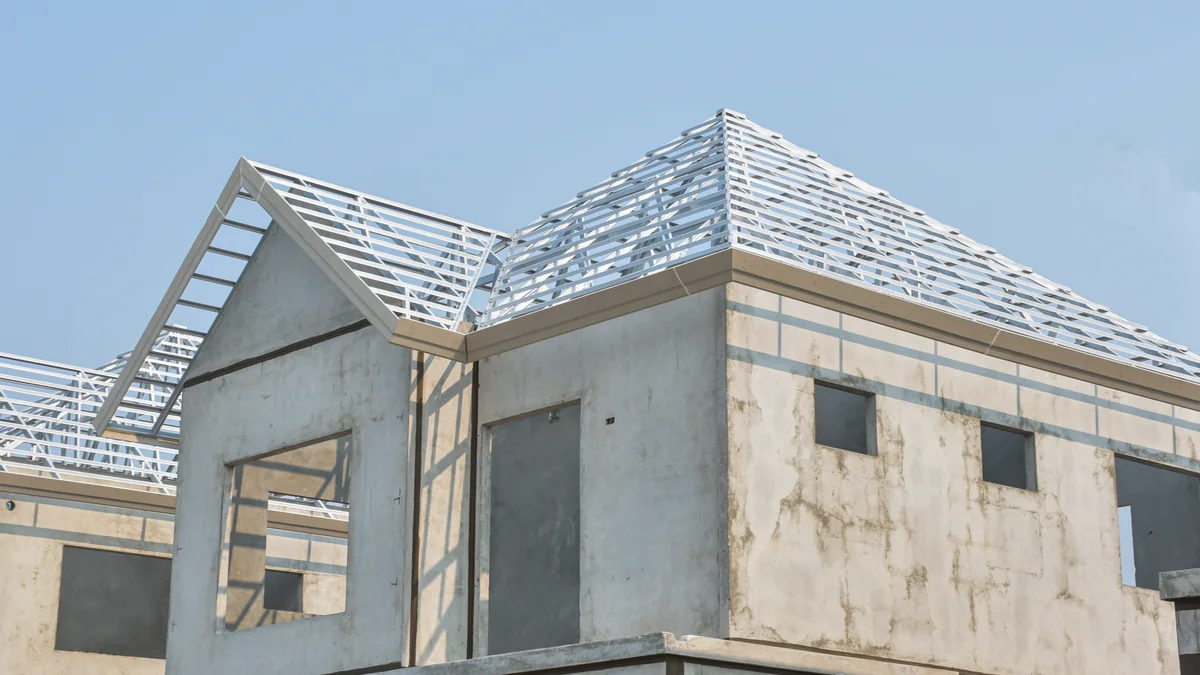
Torrey Highlands buyers often compare two very different paths within the same search: a newly built home with current finishes and a builder contract, or a resale home with an established street, a conventional transaction, and a property history that can be inspected. The right choice is not simply “new versus old.” It is a comparison of contracts, timing, condition, recurring costs, and the documents attached to the exact property.
The City of San Diego describes Torrey Highlands as a 1,134-acre planned community along the SR-56 corridor. Its plan allows several housing types and caps the community at 2,693 dwelling units, including Fairbanks Highlands. That planning context is useful, but it does not tell a buyer whether a particular home has an HOA, a special tax, a solar obligation, a specific school assignment, or an insurance issue. Those answers remain address-specific.
Start With the Decision That Actually Matters
A newly built home may offer modern building systems, current energy standards, customization, and a written builder process. A resale home may offer a completed setting, mature landscaping, a known traffic pattern, and more conventional negotiation over price, repairs, and closing dates. Neither category is automatically the better value.
Before comparing finishes, place both properties into the same framework:
- the contract, deposit, cancellation, and contingency terms;
- the expected completion and closing timeline;
- inspection access, repair rights, and warranty procedures;
- HOA documents, reserves, assessments, and restrictions;
- property taxes, fixed assessments, and possible supplemental bills;
- solar ownership or financing obligations;
- an address-specific insurance quote;
- the school assignment shown by the district for the exact address; and
- the real commute at the hours the buyer will drive it.
This produces a useful comparison. A model home and a resale listing can look similar on paper while creating very different cash requirements, monthly obligations, and closing risks.
New Construction: Read the Public Report and Builder Contract
For a covered California subdivision, the developer generally must obtain a public report from the California Department of Real Estate before marketing homes. The DRE explains that this report can address CC&Rs, association costs, common areas, assessments, and other material disclosures. The buyer should receive and read the report before becoming obligated to purchase.
The public report is only one part of the file. A builder contract may differ materially from the standard resale forms a buyer has seen before. Review the deposit schedule, cancellation rights, financing deadlines, projected completion, change-order process, closing extensions, inspection access, and remedies if the home or community is not completed as expected. A promised feature in a sales conversation should also appear in the controlling written documents.
Separate Completed Features From Future Plans
Ask which streets, parks, amenities, common areas, and nearby improvements are complete today, which are under construction, and which remain proposed. City reports may document planned or pending work, but they do not guarantee a buyer’s preferred delivery date or a future increase in value. The decision should be based on the property and infrastructure that can be verified now.
Compare Builder Financing With an Outside Loan Estimate
A builder credit can be valuable, but the credit should not be evaluated by itself. Compare standardized Loan Estimates from the builder’s preferred lender and at least one realistic alternative. The Consumer Financial Protection Bureau recommends comparing the rate, APR, points, lender credits, cash to close, and loan features. Also check whether an incentive depends on using a specific lender, escrow company, upgrade package, or closing date.
Inspect a New Home Independently
A newly built home can still have defects. Subject to the contract’s access and timing rules, consider independent inspections at the stages that make sense for the home, followed by a documented final walkthrough and punch list. Obtain the written warranty and claim procedure rather than relying on a broad statement that the home is “under warranty.” The California Contractors State License Board outlines the prelitigation notice-and-repair process that may apply to certain new-home construction-defect claims. If a defect appears, document it and follow the contract’s notice and warranty steps.
Resale: Investigate the House and Its Paper Trail
A resale home has a different advantage: the buyer can evaluate how the property, street, landscaping, drainage, and neighborhood routine function today. That history is useful only if the investigation is thorough.
The physical review may include the general condition of the roof, heating and cooling, plumbing, electrical systems, drainage, water intrusion, pest activity, retaining walls or related structures, and any pool or exterior improvements. Remodels, additions, solar work, and major system replacements should be checked against available permits and final approvals when applicable. Inspection scope should be tailored to the property rather than treated as a fixed checklist.
Read the Complete HOA Package
If the home belongs to a common-interest development, request the full statutory disclosure package. California Civil Code section 4525 identifies documents that may include governing rules, current and approved assessments, unresolved violations, rental restrictions, annual reports, approved meeting minutes requested during the transaction, and other association information. The annual budget report can reveal reserve planning, deferred repairs, anticipated special assessments, association loans, and insurance limits or deductibles.
Do not compare two homes by the monthly dues alone. One association may charge more while funding reserves and services differently; another may have lower dues but upcoming work or a narrower scope. The meaningful comparison is what the association covers, what it has saved, what it expects to repair, and what obligations are already approved.
Recalculate the Taxes for the Buyer
The seller’s existing property-tax bill may not represent the buyer’s future bill. San Diego County’s homeowner guide explains that the assessor determines a new assessed value after a recorded purchase, and the California State Board of Equalization explains that a change of ownership can create a supplemental assessment. Review the base tax, voter-approved debt, and every fixed charge or special assessment separately.
Do not assume that every Torrey Highlands property has the same Mello-Roos or community charge. Pull the current bill for the parcel, identify each line item, and confirm what may change after the purchase. Set aside cash for a supplemental bill rather than assuming the lender’s initial impound estimate will capture it immediately.
Verify Solar as a Contract, Not a Feature Label
“Solar included” is not enough information. Determine whether the system is owned free and clear, financed, leased, subject to a power-purchase agreement, financed through PACE, or tied to another recorded or contractual obligation. Review the agreement, transfer or payoff terms, equipment and battery warranties, utility interconnection status, permit history, recent electricity records, and any roof work that could require panel removal.
For new construction, also confirm which energy-code requirements and exceptions applied when the building permit was issued. For a resale home, verify the actual system rather than inferring its terms from the age of the house.
Check Schools, Commute, Fire Mapping, and Insurance by Address
Torrey Highlands is associated with Poway Unified, but the district’s own boundary tools should be used for the exact address. Do not rely on a listing label, a nearby home’s assignment, or a third-party portal. Boundaries and program availability can change.
SR-56 connects the I-5 and I-15 corridors, so the same Torrey Highlands address can work differently for two commuters. Test Camino del Sur, Carmel Mountain Road, Carmel Valley Road, and the freeway connection during the actual travel window. A generic map estimate is not a substitute for the trip the buyer will repeat.
Use the City and State fire-hazard tools for the parcel, then obtain a written insurance quote for that address and building type. A mapped zone is a planning input, not an insurance premium or eligibility determination. Compare the premium, deductible, replacement-cost assumptions, exclusions, and any coverage conditions before removing the applicable contingency.
Build One Honest Cost Worksheet
Use the same lines for the new home and the resale home:
- principal, interest, and mortgage insurance;
- estimated property tax at the expected purchase assessment;
- voter-approved debt and every fixed parcel charge;
- all HOA or subassociation dues;
- homeowner or unit-owner insurance;
- any solar loan, lease, PPA, or PACE obligation;
- a realistic net electricity estimate based on available records;
- routine maintenance and a repair reserve;
- one-time supplemental taxes, transfer fees, upgrades, or approved assessments; and
- cash remaining after closing.
Record the source and date beside every figure. If a number is still an estimate, label it clearly and note which record is needed to verify it.
A Practical Torrey Highlands Offer Process
Before Writing an Offer
Confirm the exact address, school assignment, association structure, current parcel bill, solar representation, preliminary insurance quote, likely commute, and the contract form that will control the transaction.
During Investigation
Complete the appropriate physical inspections; review the DRE public report or HOA package; verify permits, taxes, assessments, solar documents, and insurance; and compare the final financing terms with the original estimate.
Before Closing
Confirm completion or repair items, obtain the insurance binder, verify any solar payoff or transfer, review updated association information, and keep a reserve for supplemental taxes and early ownership expenses.
Frequently Asked Questions
Is new construction always more expensive than resale in Torrey Highlands?
No. Price is only one line. Compare incentives, upgrades, landscaping, window coverings, association costs, taxes, solar obligations, insurance, repairs, and the buyer’s cash after closing.
Does every Torrey Highlands home have Mello-Roos?
Do not assume that it does or that every parcel has the same charge. Review the exact property’s tax bill and any applicable special-tax disclosure.
Should a buyer inspect a newly built home?
New construction can still have incomplete or defective work. Inspection rights and timing depend on the contract, but an independent review and a written punch list can be valuable when permitted.
Does the builder’s preferred lender always offer the best deal?
No lender is automatically best. Compare standardized Loan Estimates, including the rate, APR, points, credits, closing costs, cash to close, and any conditions tied to the builder incentive.
How should buyers verify the school assignment?
Use Poway Unified’s official address lookup and confirm directly with the district. A listing portal or nearby address is not controlling.
What is the fastest way to compare two Torrey Highlands homes?
Place both exact addresses into the same document-and-cost worksheet. Compare contract risk, condition, school assignment, commute, HOA records, parcel taxes, solar, insurance, and cash remaining after closing.
Start with the Torrey Highlands real estate guide, compare nearby options in Pacific Highlands Ranch and Del Mar Mesa, or review the San Diego buying process and home-loan options. To compare two specific properties, send Blum Realty Group the addresses and available documents.
This article is educational and is not legal, tax, insurance, engineering, appraisal, or school-placement advice. Property conditions, contracts, fees, assessments, insurance, school boundaries, and regulations can change. Verify each item for the exact property with the appropriate licensed or official source.